Cart
0
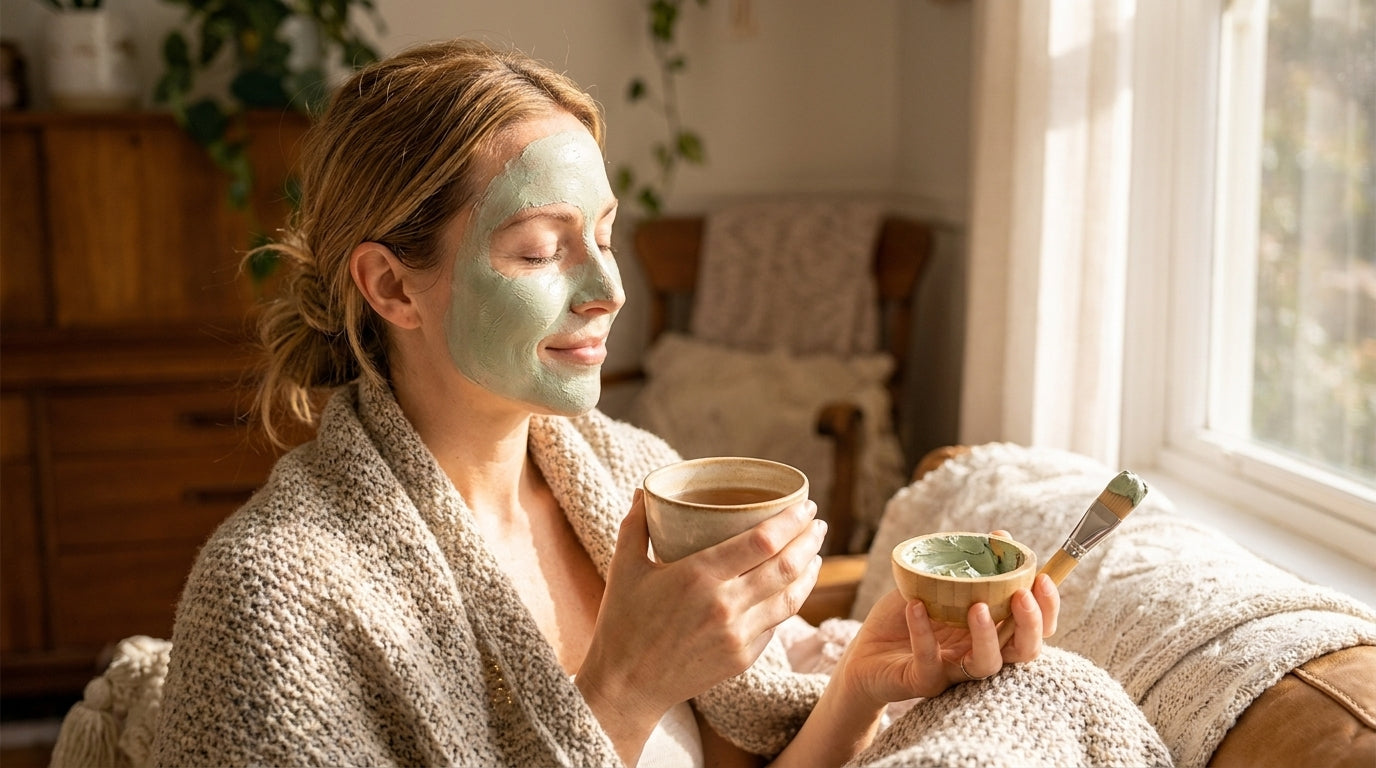
In a world where the rush of daily life often leaves us feeling frazzled and disconnected, finding moments of tranquility can be a treasure. Among the myriad ways to cultivate mindfulness, DIY skincare stands out as a uniquely personal and satisfying practice. Preparing your own skincare offers a deeper connection to the rituals of self-care, and there is real evidence that everyday creative activity of this kind supports mental wellbeing.
Crafting Tranquility: The Mindful Practice of DIY Skincare
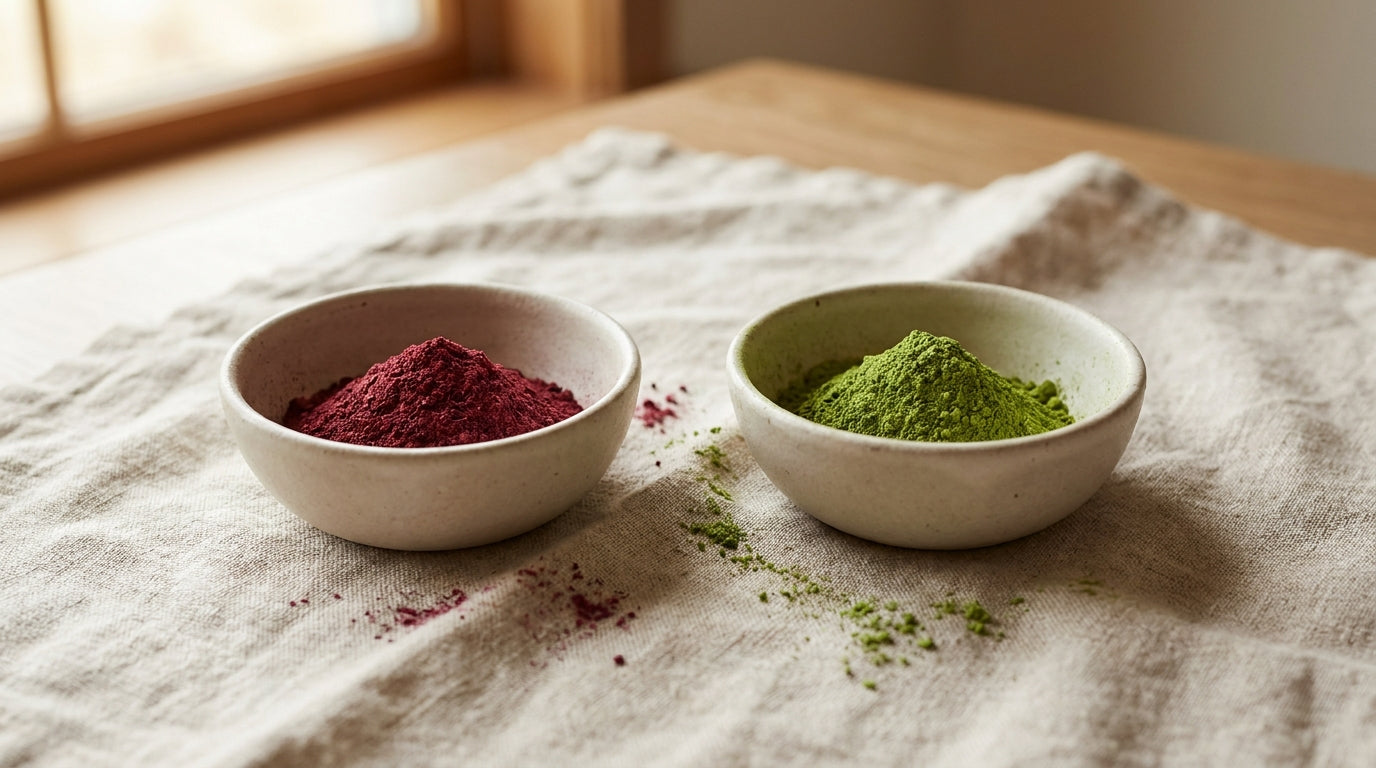
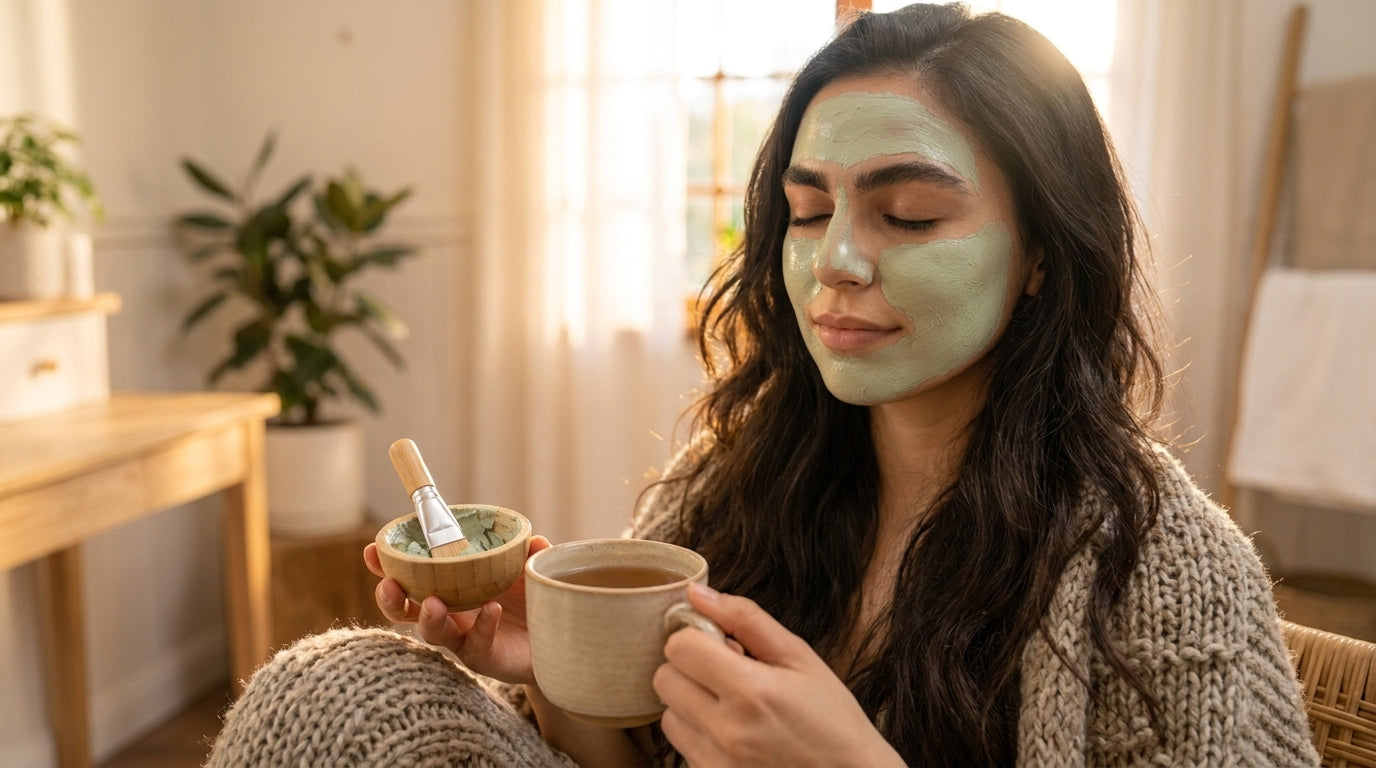
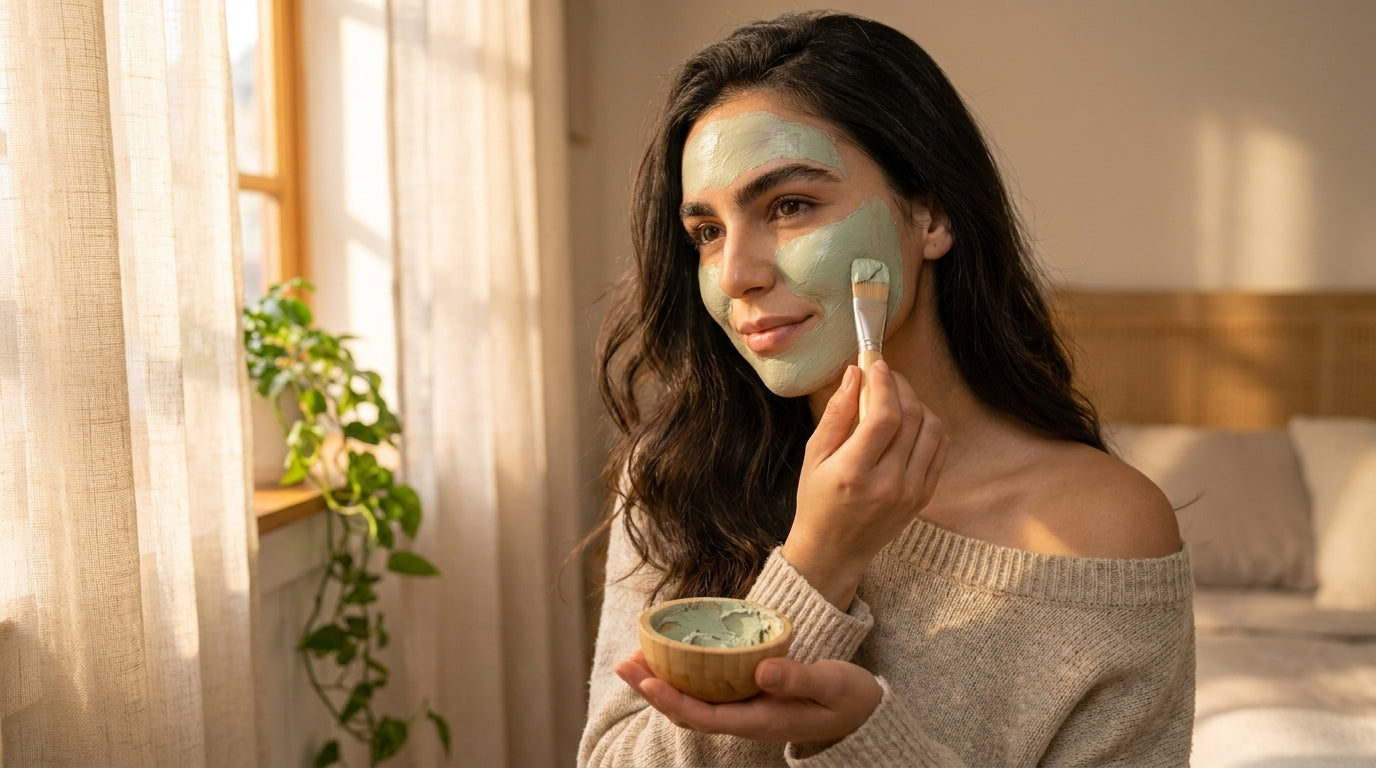
DIY skincare goes beyond the surface, offering a hands-on method to tune in to the present moment. The act of selecting ingredients, measuring, and mixing not only engages the senses but also focuses the mind. This deliberate process mirrors mindfulness techniques, where the goal is to be fully engaged in the current activity, fostering a state of flow.
This is the part that is genuinely well evidenced. In a study following 658 people who kept a daily diary for around two weeks, Conner, DeYoung and Silvia found that engaging in everyday creative activity predicted more positive emotion and a greater sense of flourishing the following day (The Journal of Positive Psychology, 2018). The creative act itself is doing the work, and blending your own mask is exactly that kind of small daily making.
Personalised Care: The Emotional Connection
Preparing your own skincare with natural ingredients allows for a level of personalisation that an off-the-shelf product cannot match. You adjust the clay to how your skin is behaving that week, add the oil if it feels dry, leave it out if it does not. That customisation is part of what makes the ritual feel like yours rather than a routine you are following, and it turns a maintenance task into a few minutes of deliberate attention.
A Path to Sustainability: Mindfulness and the Environment
Making your own also tends to mean simpler ingredients and far less packaging. A jar of clay and a bottle of oil replace a shelf of single-purpose products, each in its own plastic. Mixing only what you need for one use means nothing is thrown out half-finished because it turned or you stopped liking it. That is a modest environmental gain rather than a dramatic one, but it is a real one, and it sits comfortably alongside the slower, more considered approach that drew you to the practice in the first place.
The Science of Scent: Aromatherapy and Well-being
The use of essential oils in DIY skincare offers more than just fragrance. Lavender is the most studied of them: a review by Koulivand, Khaleghi Ghadiri and Gorji in Evidence-Based Complementary and Alternative Medicine (2013) surveys the research on its calming and anxiolytic effects. Other associations, like citrus scents feeling brighter and more energising, rest more on long tradition and personal experience than on trial data, which is a perfectly good reason to use a scent you like without needing to claim more for it.
A note of caution, since this is skincare rather than a diffuser: essential oils are concentrated and are a common cause of contact allergy. Keep them well diluted, patch test first, and remember that sensitivity can build over repeated use.
The benefits of DIY skincare extend beyond the complexion. The mindful practice of preparing your own treatments gives you a few unhurried minutes, a small creative act, and a routine shaped to you rather than to a product line. In embracing natural DIY skincare, we find a pathway to mindfulness that nurtures both the inner and outer selves.
Eliézer Clay is a South Australian company with a passion for natural skincare. We encourage the traditional and contemplative process of combining and applying natural ingredients to help you slow down, still your mind and spoil your skin.
References
Conner, T.S., DeYoung, C.G. and Silvia, P.J. (2018). Everyday creative activity as a path to flourishing. The Journal of Positive Psychology, 13(2), 181-189.
Koulivand, P.H., Khaleghi Ghadiri, M. and Gorji, A. (2013). Lavender and the Nervous System. Evidence-Based Complementary and Alternative Medicine, 2013, Article ID 681304.